Bathroom Remodel Planning Guide for New Hampshire Homeowners
A plain-English walkthrough of how to plan a bathroom remodel in New Hampshire — what it costs, which permits you need, how older homes change the job, when to schedule it, and the exact questions to ask any contractor before you sign. No sales pitch, just the checklist we wish every homeowner had.
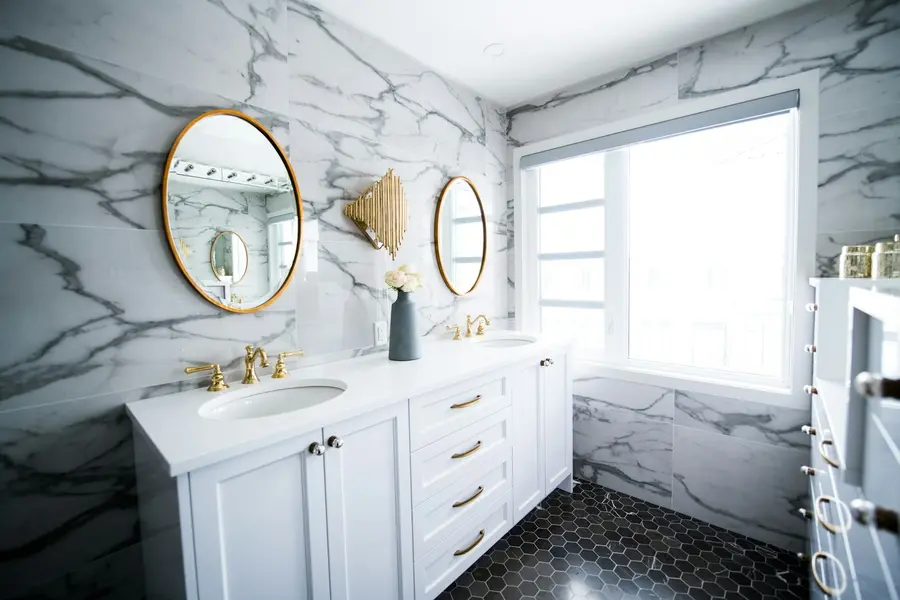 For NH homeowners
 A bathroom is the most complicated room in a house per square foot — plumbing, waterproofing, electrical, tile, and ventilation all packed into a small space. A little planning up front is what separates a project that lands on budget from one that spirals. This guide is written for New Hampshire homeowners and is deliberately vendor-neutral: use it to plan, to compare quotes, and to hold any contractor (including us) to a fair standard.
1. Set a realistic budget
A full bathroom remodel in the Manchester area generally runs $8,000 to $45,000, with most mid-range projects landing around $16,000–$28,000. Smaller jobs — a tub-to-shower conversion or a cosmetic refresh — come in lower. One counter-intuitive point worth knowing: a small bathroom often costs more per square foot than a large one, because the same fixtures, plumbing, and labor get packed into less space.
Whatever number you land on, keep a 10–20% contingency aside. In an older home it is not a question of if something turns up behind the walls, but what. For a full breakdown by project type, see our Manchester bathroom remodel cost guide.
2. Understand New Hampshire’s permits and contractor rules
If your project moves plumbing or wiring, adds a fixture, or opens up walls, the City of Manchester building department will require permits, and inspections happen before the walls close back up. A purely cosmetic swap — new vanity, same-spot toilet, paint — usually does not. Your contractor should pull the permits and schedule the inspections; confirm who is responsible in writing.
New Hampshire law (RSA 310-A) requires any contractor doing residential work over $1,000 to be registered with the state and to carry liability insurance. Ask for the registration number and a certificate of insurance before you sign — it is a routine, reasonable request. And under the NH Consumer Protection Act (RSA 358-A), advertising has to be truthful, so be wary of anyone making guarantees that sound too good to put in writing.
3. Plan for an older home
A lot of New Hampshire’s housing stock — the Manchester triple-deckers, the North End colonials, the capes in Hallsville and Rimmon Heights — went up before 1960. Behind the tile you often find plaster-and-lath walls, a cast-iron tub that weighs a few hundred pounds, galvanized supply lines that have been patched over the decades, and the occasional bit of knob-and-tube wiring. None of that is a dealbreaker, but it affects the price and the schedule, and it is a big reason the contingency above matters. Ask any contractor how they handle surprises once a wall is open — a good one stops and shows you before spending your money, rather than papering over it.
4. Time it right
Bathroom remodeling demand peaks in spring and early summer, so booking then usually means a longer wait. Fall and winter are quieter and easier to schedule — and because every part of a bathroom project happens indoors, New Hampshire winters do not slow the work down. If you have a deadline (holidays, a new baby, a house sale), start getting quotes a couple of months ahead; permit lead time and material orders add up.
5. Nail the big decisions before demo starts
Changing your mind mid-project is where budgets and timelines slip. Settle these first:
- Layout. Are fixtures staying put, or moving? Moving plumbing is the single biggest cost lever.
- Waterproofing. Behind tile you want cement backer board and a bonded waterproofing membrane — not green board or a paint-on primer over drywall. This is what decides whether a shower lasts 5 years or 30.
- Tub vs. shower. Keep at least one tub in the house for resale, but a walk-in shower is often the better daily-use and accessibility choice for a second bath.
- Tile vs. acrylic. Acrylic is faster and low-maintenance; tile costs more and takes longer but gives you any look and adds resale value.
- Ventilation & lighting. A fan that actually clears moisture (critical when NH windows stay shut all winter), plus task lighting at the mirror and GFCI outlets to code.
- Aging in place. Even if you do not need it yet, in-wall blocking for future grab bars and a curbless entry are far cheaper to build now than to retrofit later.
The checklist: questions to ask any bathroom remodeler before you sign
Print this and bring it to every estimate. Reasonable contractors welcome these questions.
- Are you registered with New Hampshire (RSA 310-A), and what is your registration number?
- Can I see a certificate of insurance for liability coverage?
- Is the estimate itemized, and what exactly does the price include and exclude?
- Who pulls the permits and schedules the City of Manchester inspections?
- How do you waterproof behind the tile?
- Will the same crew be here start to finish, or subcontractors?
- What is the start date, the finish date, and the payment schedule?
- What happens — and how are costs handled — if you find rot or old plumbing once the wall is open?
- What does the workmanship warranty cover, and for how long?
- Can you share references or photos of similar jobs?
Planning questions, answered
What should a written bathroom remodel estimate include?
A good estimate is itemized, not a single lump sum. Look for the scope of work, the specific fixtures and tile (or a clear materials allowance), who pulls and pays for permits, the waterproofing method behind the tile, a start and finish date, the payment schedule, and the workmanship warranty. If any of those are missing, ask before you sign — the gaps are where surprises live.
How do I check that a New Hampshire contractor is legitimate?
New Hampshire requires anyone doing residential work over $1,000 to register with the state under RSA 310-A and carry liability insurance. Ask for the registration number and a certificate of insurance, and confirm the reg number appears on the written contract. It is a fair question to ask any contractor, and a reputable one will hand it over without hesitation.
When is the best time of year to remodel a bathroom in New Hampshire?
Demand peaks in spring and early summer, so booking then often means a longer wait and a busier crew. Fall and winter are usually quieter — easier scheduling, and an interior bathroom project is unaffected by the weather since all the work is indoors. If you want the job done before the holidays or a spring event, start the planning and quotes a couple of months ahead.
How much of a contingency should I budget for an older home?
Set aside roughly 10–20% on top of the quoted price, especially in a pre-1960 home. Once the walls open up, rotted subfloor, dated galvanized plumbing, or questionable wiring can turn up — none of it visible when the estimate was written. A contingency means an honest mid-project fix does not blow up the whole budget.
Ready to price your specific project? Start with bathroom remodeling in Manchester, NH, or see the cost guide.
Questions about your own bathroom?
We're happy to talk it through and give you a free, no-pressure estimate — even if you're still in the planning stage.