Walk-In Tub Installation in Manchester, NH
A walk-in tub lets you keep the soak you love without climbing over a tub wall to get it. You step in through a low, watertight door, sit on a built-in seat, and let warm water and jets do the rest. We fit them into Manchester’s older bathrooms — sized to the room, the plumbing, and the water heater you actually have.
 Licensed & insured
 What a walk-in tub is — and who it’s really for
A walk-in tub is a deep bathtub with a door built into the side. Instead of swinging a leg over a 15-inch wall onto slick enamel — where a huge share of bathroom falls happen — you open the door, step over a low threshold of just a few inches, sit down on a molded seat, and pull the door shut. It seals watertight, the tub fills around you, and you soak up to your shoulders. When you are done, the water drains and you step back out on level footing.
Most of the calls we get for these come from two kinds of people: older homeowners in Manchester who want to stay in the house they have lived in for decades, and their adult kids who worry every time Mom or Dad gets in the tub. If soaking is still one of the good parts of the day — for stiff joints, for circulation, or just to warm up through a New Hampshire winter — a walk-in tub keeps that ritual instead of trading it away. If bathing has become something you rush through or avoid, this is about making it safe and unhurried again.
What actually makes a walk-in tub safe and comfortable
The word covers a wide range of quality. Here is what we look for, and what we build in:
- A low, watertight door. The whole point — a threshold you step over, not climb. Inward-opening doors save floor space; outward-opening doors give a roomier seat but need clearance. We match the door to your bathroom, not the other way around.
- A built-in contoured seat. You bathe sitting down, at roughly chair height, so getting in and out does not mean lowering yourself to the floor of a tub and hauling back up.
- Hydrotherapy and air jets. Warm-water jets for sore muscles and joints, air jets for a gentler bubble massage. Optional, but for a lot of people it is the reason they want a tub instead of a shower in the first place.
- Fast fill and fast drain. You sit through the fill and the drain, so pump speed matters. A fast-fill valve and a powered drain shrink the wait; a heated seat and an in-line heater keep you warm while it happens.
- Anti-scald thermostatic controls. A thermostatic valve holds the temperature steady and caps it, so a bath cannot suddenly run too hot — important when you are seated and the water is coming up around you.
- Grab bars and a non-slip floor. Bars anchored into solid in-wall blocking (not hollow anchors), a textured, slip-resistant tub floor, and a handheld shower on a slide bar so you can rinse without standing.
Underneath the fixtures, the boring part still decides how long it lasts: any tiled surround goes over cement backer board and a bonded waterproofing membrane such as Schluter, so water never reaches the framing behind an older wall.
Walk-in tub vs. walk-in shower — an honest comparison
We would rather you get the right thing than the more expensive thing, so here is the straight version. A walk-in tub is the better fit if you still want to soak, if warm water and jets help your joints, and if you can comfortably sit and rise from a seated tub. The trade-off is real: you have to sit through the fill and the drain, and a full walk-in tub is heavy and holds a lot of hot water.
A walk-in shower — especially a curbless one — is faster, has nothing to wait on, and is usually the smarter choice if you use a walker or wheelchair, or if standing and sitting in a deep tub is already hard. If you are weighing accessibility for the long haul, it is worth reading our accessible bathroom remodeling page too, since the right answer sometimes uses pieces of both. In a larger bathroom, some homeowners keep a tub and add a separate walk-in shower. At the free estimate we will look at how you actually bathe and how you get around, and tell you which one we would put in our own parent’s house.
What a walk-in tub costs in Manchester
A standard walk-in tub installed in the Manchester area generally runs $6,000–$12,000. Premium units — bigger tubs, combined water-and-air hydrotherapy, heated surfaces, fancier doors — run $12,000–$20,000+. Where you land depends on the model, whether the plumbing has to move, and whether we need to upsize the water heater so a deeper tub still gets hot. On timeline, most installs take a few days to about a week — a straight swap into an existing alcove is quick; reworking old plumbing, reinforcing framing, or changing the water heater adds time.
We do not quote a walk-in tub over the phone, because the honest number comes from seeing the room, the pipes, and the heater. Financing or program coverage may be available depending on your situation — ask us and we will be straight about it. For see our walk-in tub cost guide, or how it compares to other projects in the full Manchester bathroom remodel cost guide.
The bathrooms we build
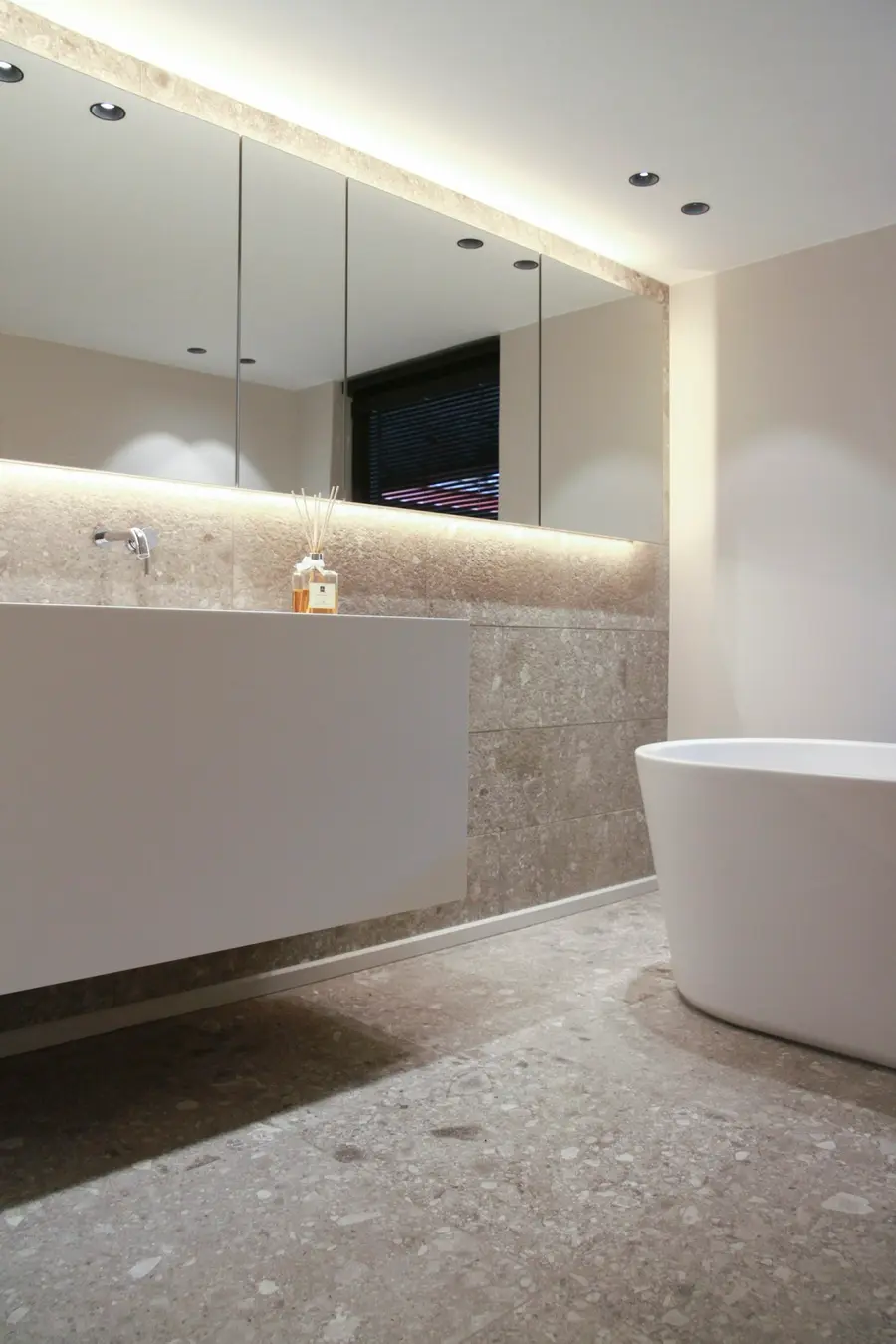
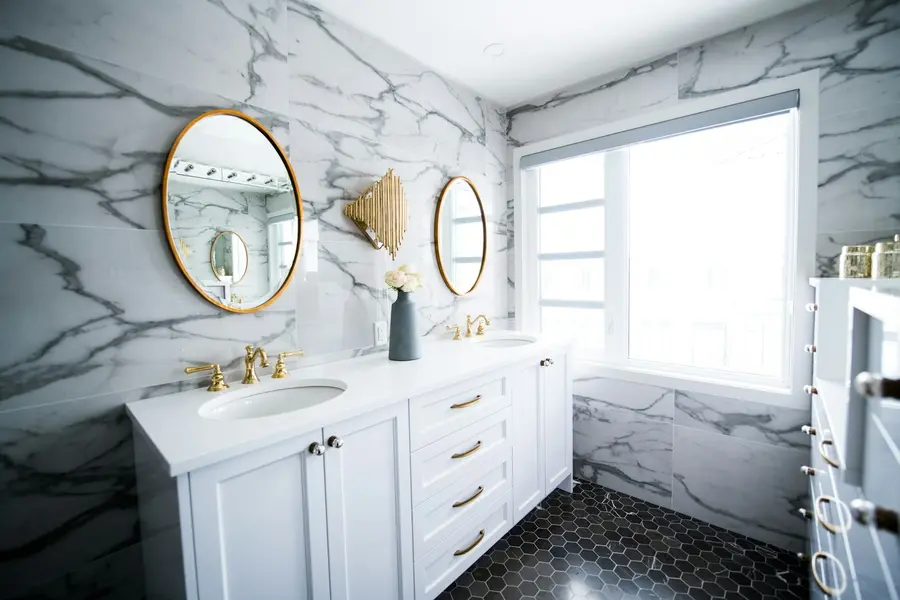
See more of the styles we build in our Manchester bathroom gallery.
How the job runs, start to finish
-
Call or request a quote
Tell us the room and what is bugging you about it. Two minutes on the phone.
-
Free in-home estimate
We measure, talk through options and materials, and leave you a written price.
-
Design & schedule
Pick finishes, lock a start date, pull any permit the City of Manchester requires.
-
Build & clean up
One crew, protected floors, daily cleanup, and a walk-through before we call it done.
Walk-in tub questions, answered
How long does a walk-in tub take to fill and drain — won’t I sit there cold?
That is the honest trade-off with any walk-in tub: you get in, close the door, and the tub fills around you, then you wait for it to drain before you open the door. A standard fill runs a few minutes; a good unit with a fast-fill valve and a fast-drain pump cuts the waiting down noticeably. The better tubs also add a heated seat and backrest and an in-line water heater so you are not sitting in cooling water. If sitting through the fill and drain sounds like a dealbreaker, a walk-in shower may fit you better — we will lay out both honestly at the estimate.
Will my water heater keep up with a deep walk-in tub?
A walk-in tub holds more water than a standard tub because it is deep enough to sit in up to your shoulders, so a small or older Manchester water heater can come up short and leave you topping off with cool water. We check your heater’s capacity and recovery before we quote. Often the fix is pairing the tub with an in-line heater that keeps the bath warm, and sometimes it makes sense to upsize the water heater at the same time. We would rather flag that up front than have you disappointed on day one.
Can a walk-in tub fit in my small or older bathroom?
Usually yes — most walk-in tubs are built to drop into a standard 60-inch tub alcove, and there are narrower and shorter models for tight spaces. The catches in older Manchester homes are the door swing (inward-opening doors save space but shrink the seat; outward doors need clearance) and the plumbing behind plaster-and-lath walls, which sometimes has to be reworked. We measure the actual room, check the drain and supply lines, and tell you which models genuinely fit before you fall in love with one that does not.
Walk-in tub or walk-in shower — which should I get?
It comes down to how you bathe and how you get around. A walk-in tub is for someone who still wants to soak — it is warm, it is great for sore joints and hydrotherapy, and you sit the whole time. A walk-in shower, especially a curbless one, is faster, has nothing to wait on, and is the better choice if you use a walker or wheelchair or find sitting down and standing up in a deep tub difficult. Some folks do both in a larger bath. There is no universal right answer, which is exactly why the estimate is free.
Is a walk-in tub safe to install on a second floor?
A walk-in tub full of water and a person is heavy — meaningfully heavier than the old tub it replaces — and a lot of Manchester’s two- and three-story homes were framed long before anyone planned for that. We check the floor framing and the span before committing to an upstairs install, and reinforce the joists if they need it. We are not going to set a loaded tub on framing that cannot carry it, and we will tell you plainly if a first-floor location is the smarter call.
Does insurance, Medicare, or the VA help pay for a walk-in tub?
Sometimes, and it depends entirely on your situation — some long-term-care policies, VA programs, or state aging-in-place programs may help, and financing may be available. We are remodelers, not benefits advisors, so we will not promise you a reimbursement we cannot control. What we can do is give you a clear written price you can take to your provider or lender, and point you toward the questions worth asking. Just ask us and we will be straight with you.
Looking at the whole room? Start with bathroom remodeling in Manchester, NH.
Other ways we help
Full Bathroom Remodel
Layout, tile, plumbing, vanity, and lighting — the whole room, managed start to finish.
See details →Tub-to-Shower Conversion
Swap a cramped, hard-to-step-over tub for an open, low-threshold shower in a few days.
See details →Walk-In Shower Installation
Curbless and custom-tile showers with glass panels, benches, and barrier-free options.
See details →Get a free walk-in tub quote
Tell us about the bathroom. We’ll call you back with a real estimate — no pressure, no fee. Prefer to talk now? (603) 208-1008 or text us.
Thanks — we’ve got it.
We’ll call you back shortly. In a hurry? Call (603) 208-1008.
Ready to talk about your bathroom?
Free in-home estimate, a written price, and one local crew that shows up when they say they will.